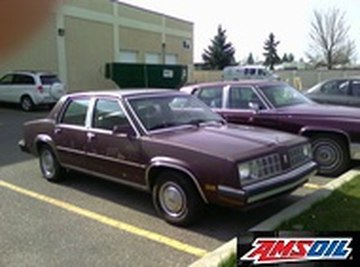
Maintaining Lubrication Integrity for the 1980 Oldsmobile OMEGA 2.5L
Proper engine care for a vehicle of this era involves a combination of consistent monitoring and proactive inspection. For an owner of a 1980 Oldsmobile OMEGA equipped with the 2.5L engine, understanding how to manage fluid health and identify early signs of mechanical changes is essential for long-term operation. While modern vehicles often utilize complex electronic sensors to monitor many systems, older platforms rely heavily on the physical condition of lubricants and the visual evidence provided during routine service.Monitoring Fluid Condition and Consumption
One of the most effective ways to gauge the health of an engine is to pay close attention to how it uses its oil. Over time, changes in how much lubricant a vehicle consumes can be an indicator of shifting internal conditions. It is helpful to monitor the level regularly using the dipstick to ensure it remains within the appropriate range. If you notice that the oil level is dropping more rapidly than expected between service intervals, this warrants closer investigation. Such changes may indicate various factors, including external seepage or internal consumption. Additionally, the physical appearance of the oil can provide clues. While oil naturally darkens as it undergoes thermal cycles and collects microscopic debris, an extremely rapid change in color or a gritty texture should be noted. If the lubricant appears milky or has a frothy consistency, this can be associated with moisture or other fluid contamination entering the crankcase, which requires immediate attention to prevent potential damage.Observing Potential Warning Signs
When performing routine checks on your 1980 Oldsmobile OMEGA, certain symptoms should not be ignored. Because mechanical systems are interconnected, a single symptom can often stem from several different causes. For example, an unusual odor that seems related to heat may indicate that oil is contacting a hot external surface, which could be the result of a slow leak from a gasket or seal. Similarly, any unexpected mechanical noises—such as tapping, knocking, or rhythmic clicking—should be investigated promptly. While these sounds can sometimes be attributed to various components, they are often linked to the lubrication state of the engine. If an oil pressure warning indicator illuminates on the dashboard, this is a critical signal that requires immediate investigation to determine why the system is not maintaining the necessary pressure for safe operation. Always remember that symptoms are indicators rather than definitive diagnoses; professional inspection is often required to pinpoint the exact source of a noise or a warning light.Prioritizing Maintenance Through Condition-Based Inspection
As vehicles age, maintenance strategies often shift from strictly following a calendar to focusing on the actual condition of the components. For an older 2.5L engine, rather than replacing parts based solely on their age, it is more effective to prioritize tasks based on what you observe during inspections. Establishing a baseline is a practical way to approach this. If you do not have a complete service history for the vehicle, your first few maintenance sessions should focus on documenting the current state of all fluids and visible components. Once you know how the vehicle behaves under normal conditions, you can more easily identify deviations. When reviewing the engine bay, look for:- Evidence of fluid seepage around various sealing surfaces.
- The condition of any accessible hoses or belts, if equipped.
- The integrity of electrical connections and wiring harnesses.
- Signs of previous maintenance neglect, such as heavily oxidized fluids or excessive buildup.
Managing Aging Seals and Gaskets
Over many years of thermal cycling—the process of the engine heating up during use and cooling down when parked—sealing materials can undergo changes. It is common for gaskets and seals to lose some of their original elasticity over several decades. During routine inspections, it is useful to look for signs of age-related seepage. This does not always mean a component has failed, but rather that the material may be reaching the end of its effective service life. If you observe dampness or staining around various engine junctions, it is wise to monitor these areas closely. Some high-mileage oil formulations contain additives intended for use in aging engines, including seal-conditioning additives that may help maintain the pliability of certain materials. However, these should be viewed as part of a broader maintenance strategy rather than a definitive fix for significant leaks.The Role of Clean Lubrication in Engine Longevity
The engine oil in your 2.5L Oldsmobile OMEGA performs several vital roles that extend beyond simple lubrication. It acts as a medium for heat management, helping to carry thermal energy away from high-friction areas and toward the cooling system. Furthermore, the chemical additives within a modern lubricant are designed to manage contamination by neutralizing acids and preventing the formation of sludge or deposits. Maintaining clean oil is essential because contaminants can eventually degrade the lubricant's ability to protect internal surfaces. When oil becomes heavily contaminated or loses its chemical effectiveness, it can no longer provide the same level of protection against friction and heat. This makes regular service intervals a cornerstone of engine preservation.Practical Guidance for Buying Engine Oil for your 1980 Oldsmobile OMEGA 2.5L
When you are ready to replenish your engine's lubricant, it is vital to select a product that aligns with the specific requirements of your application. Because different engines have different needs based on their design and current condition, you should never rely on general assumptions about what an older vehicle might need. To ensure you are using the correct product:- Match the engine oil to the application-specific viscosity information already displayed on this webpage.
- Verify that the oil meets the appropriate API (American Petroleum Institute) service classifications listed on the container.
- Consider whether a conventional, synthetic blend, or full synthetic formulation is most appropriate for your specific driving habits and the current state of your engine.
- If your vehicle shows signs of higher mileage, you may evaluate high-mileage formulations that include specialized additives.